The Collection.
One Philosophy.
Three ecosystems.
The Canvas Collection by Leon Safaris is defined by restraint, mobility and refinement. Each camp is limited to three Meru style tents, positioned directly on the earth without decks or permanent structures. The design is intentionally light. Steel expedition beds, natural textures, separate lounge and dining tents, and fully removable infrastructure ensure that wilderness remains dominant.
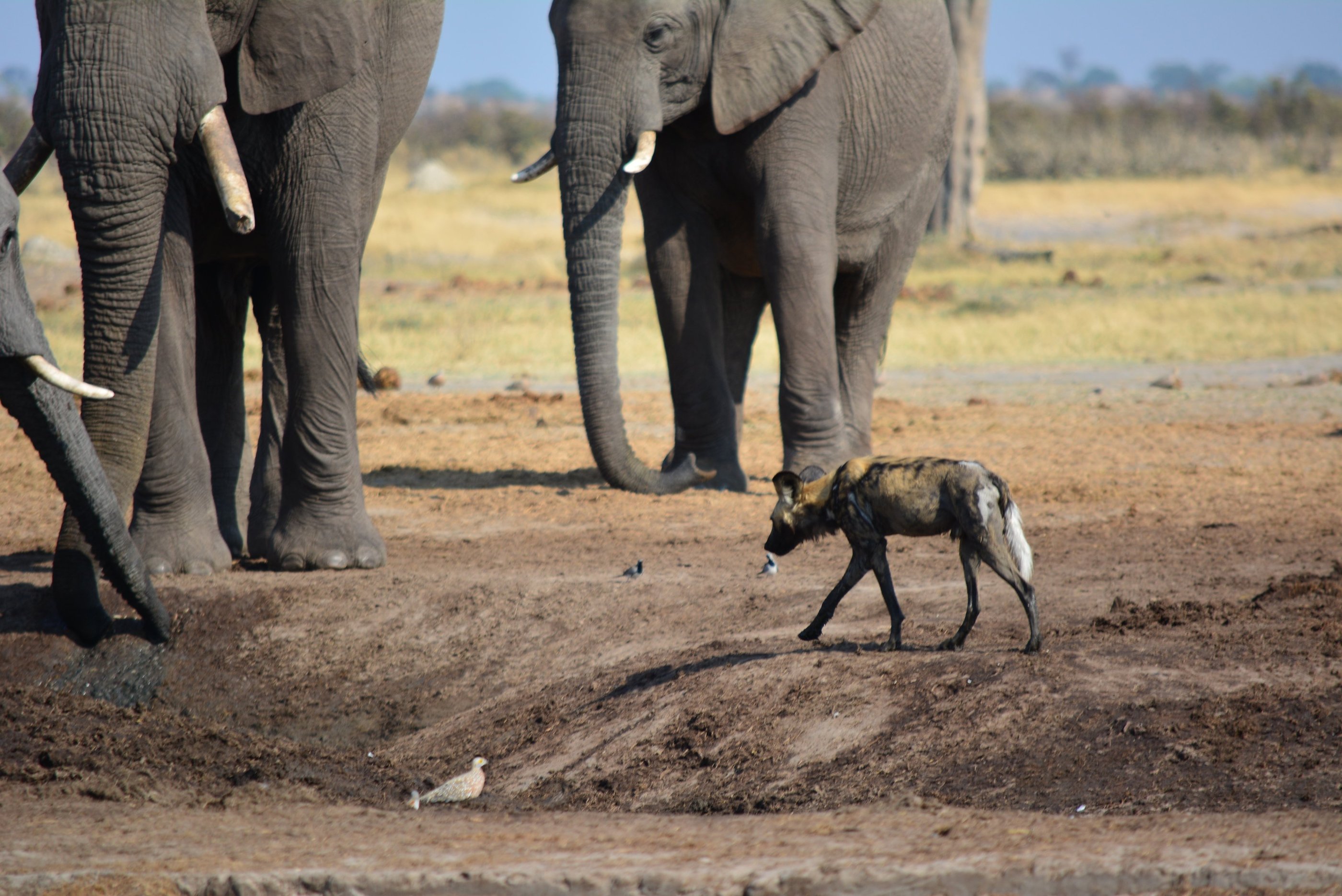
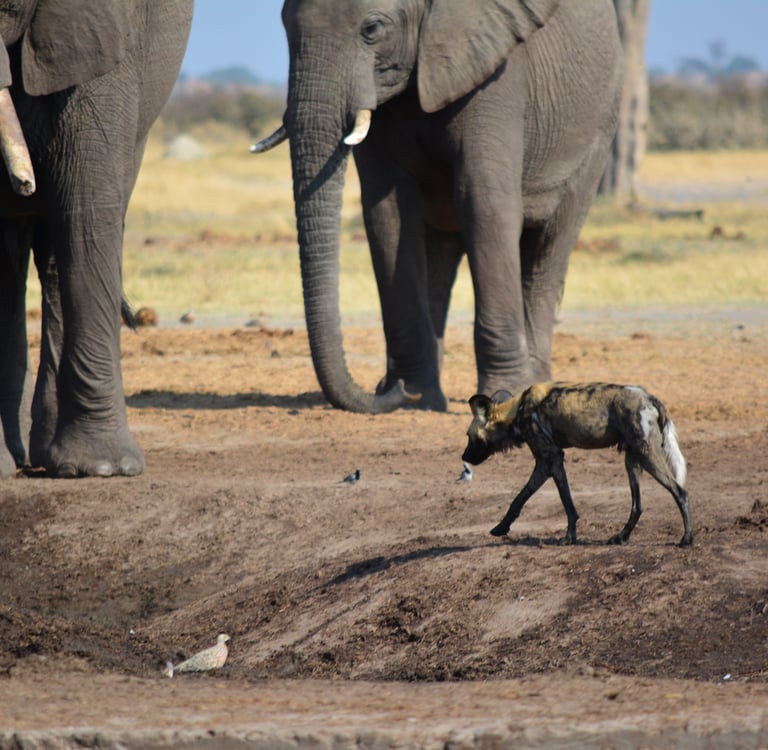
Nogatsaa lies within the remote reaches of Chobe National Park. Wild, lightly visited and expansive, it offers a sense of true isolation. Access is by fixed wing aircraft in and out, maintaining exclusivity and minimising ground impact. The camp’s placement reflects the rhythm of the woodland and seasonal water movement.
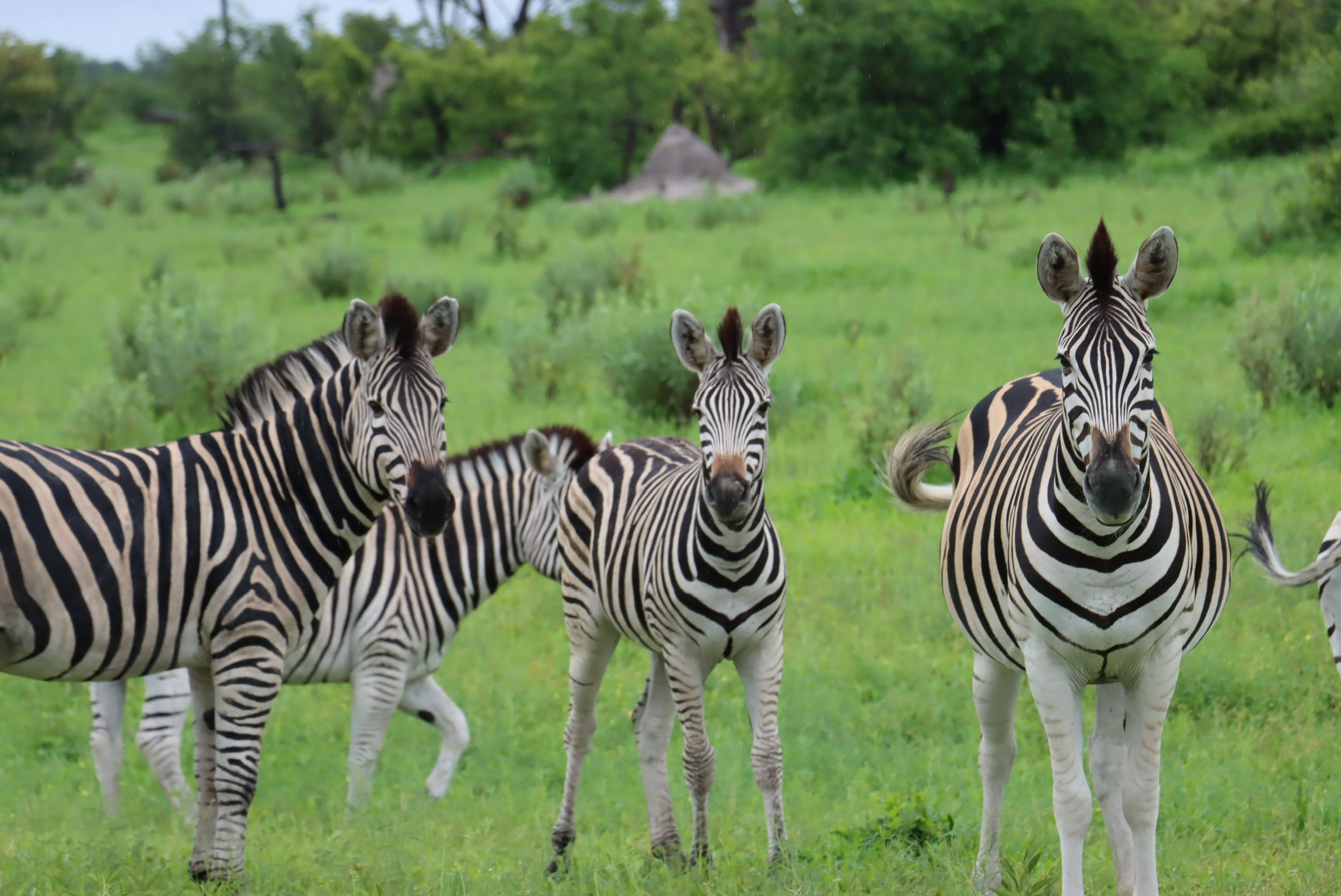
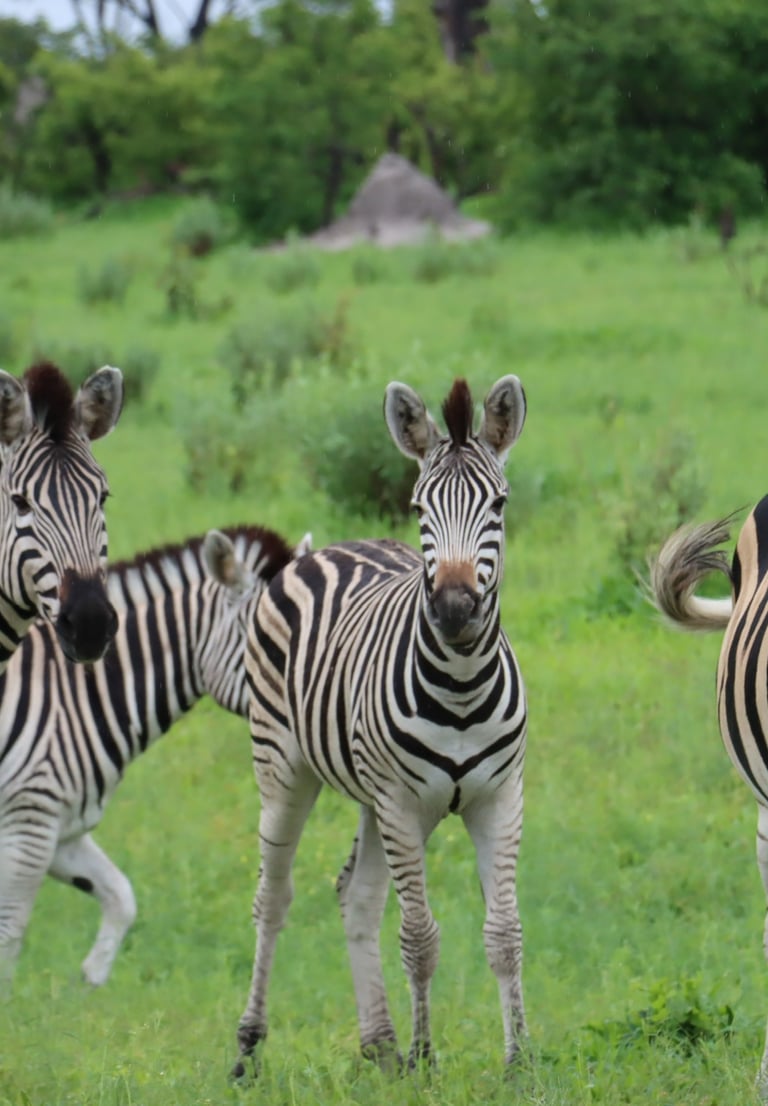
Makgadikgadi is positioned along the Boteti region, where vast salt pans meet riverine life. The landscape is elemental and open, shaped by zebra migration and desert adapted wildlife. Guests arrive and depart by fixed wing aircraft into one of Botswana’s most dramatic environments.
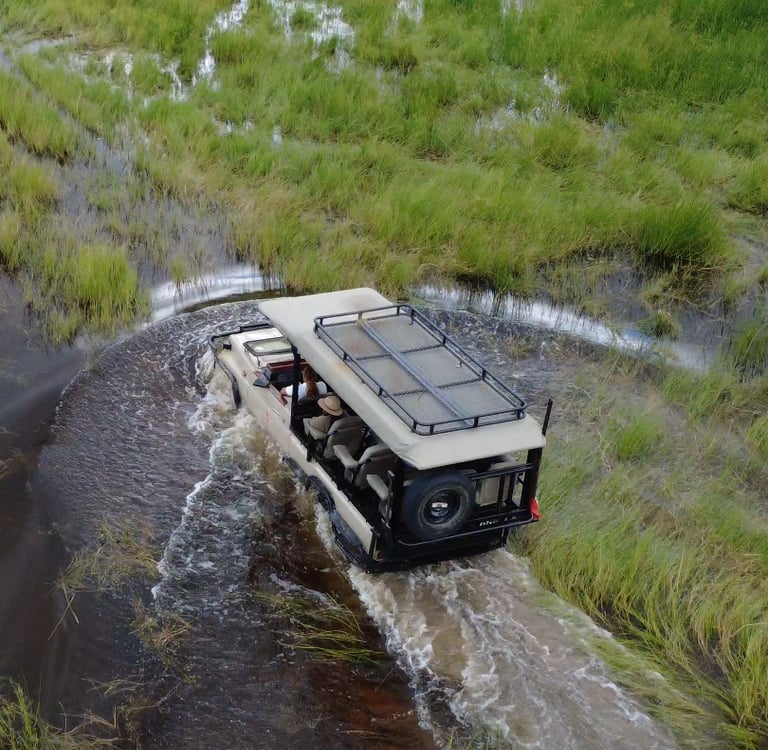
Makoba Island in NG35 offers a contrasting immersion within the Okavango Delta. Surrounded by seasonal floodplains and shifting waterways, the camp feels secluded and fluid with its surroundings. Access is by helicopter in and out, allowing direct arrival onto the island and preserving the integrity of the landscape below.
Across all three camps, the philosophy remains consistent. Small scale. Fully removable. Designed to move lightly and exist temporarily within exceptional wilderness areas.
No permanence.
No excess.
Only refined immersion under canvas.
The Camps
Luxury In The Wild.
Essential Information. Exceptional Wilderness.
Dawn Belongs To The Relentless.
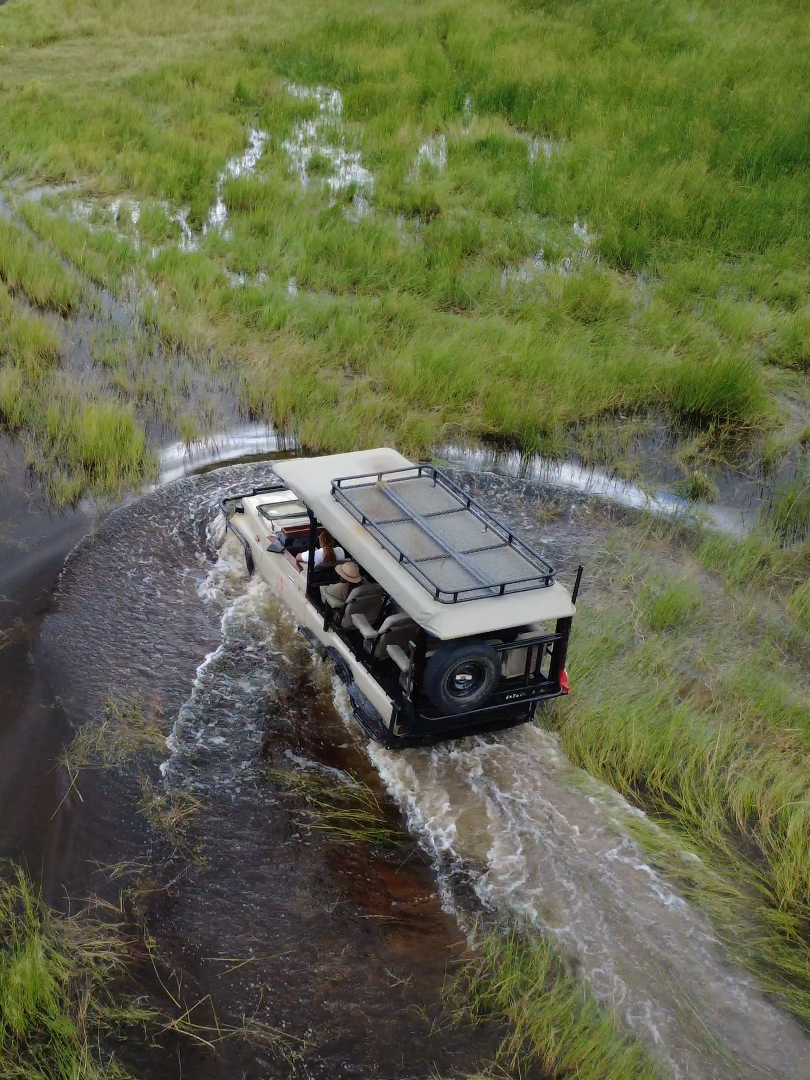
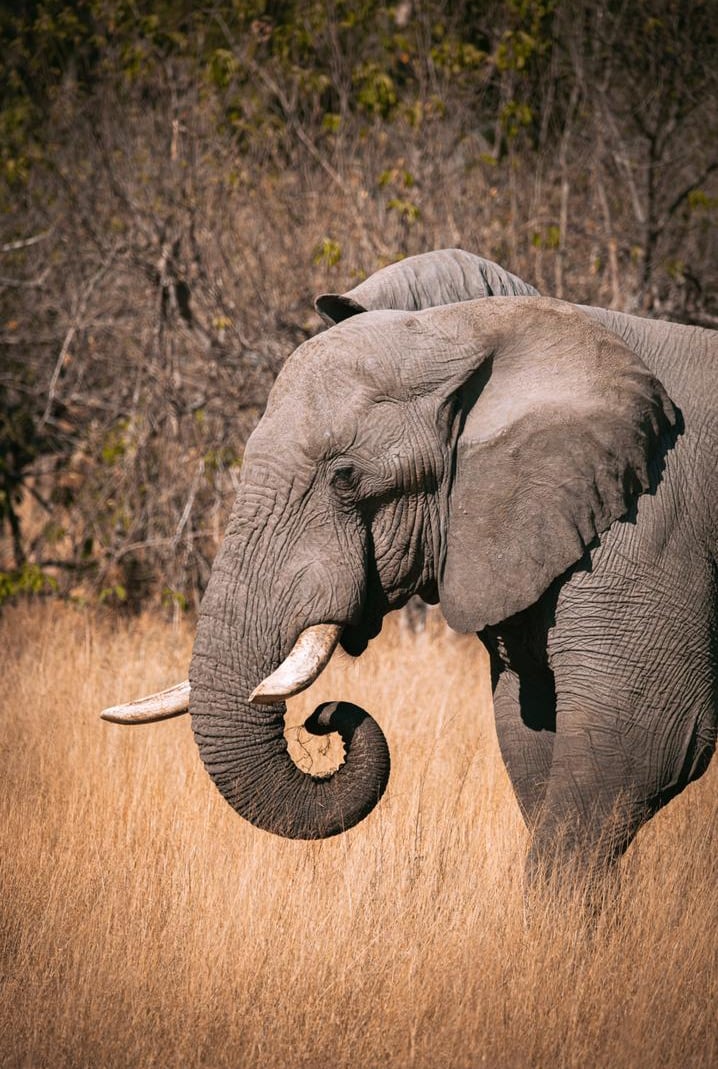
Nogatsaa is defined by elephants, particularly in the dry season when natural surface water recedes and movement becomes concentrated around permanent waterholes. As surrounding pans and channels dry, herds are drawn steadily inward, gathering in remarkable density across the woodland landscape.These waterholes are essential. In this region of Chobe, pumped water points sustain wildlife during the harshest months, when natural supply is limited. Without their continued maintenance, seasonal pressure on the ecosystem would be severe
Nogatsaa Expedition Camp
Makgadikgadi Migration Camp
Khumaga sits along the banks of the Boteti River, where desert and water meet in quiet contrast. For much of the year the landscape feels vast and open, shaped by pale sand and endless sky.
Then the migration arrives.
Thousands of zebra move toward the river in one of Africa’s last great seasonal movements. Dust rises in soft clouds as herds gather along the water’s edge. The sound of hooves carries across the plains. Predator and prey converge as the Boteti becomes a lifeline in an otherwise arid environment.
The zebra migration through Khumaga is not a dramatic spectacle. It is rhythm and return. A timeless movement between pans and river that has shaped the Makgadikgadi ecosystem for generations.
Makoba Island camp
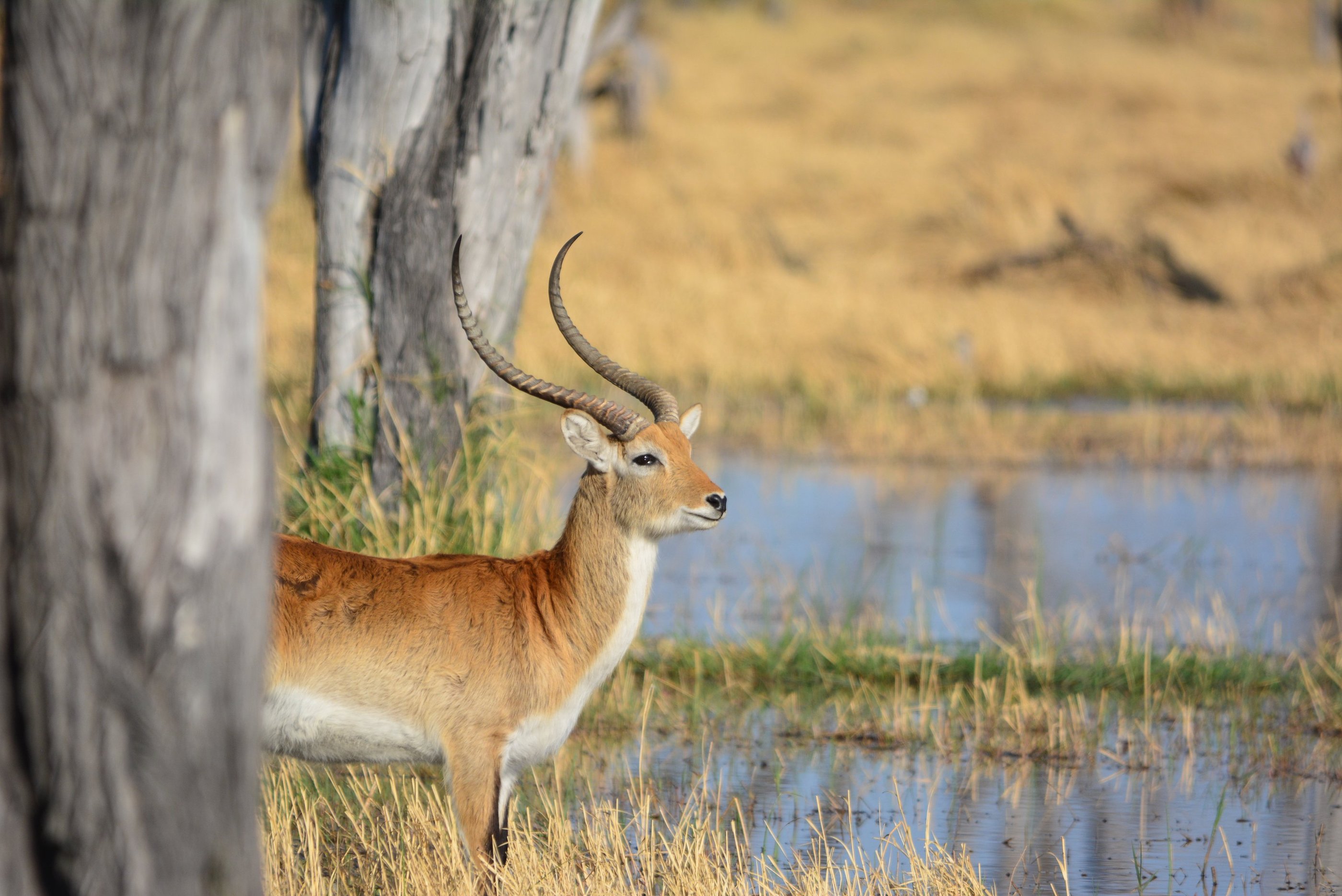
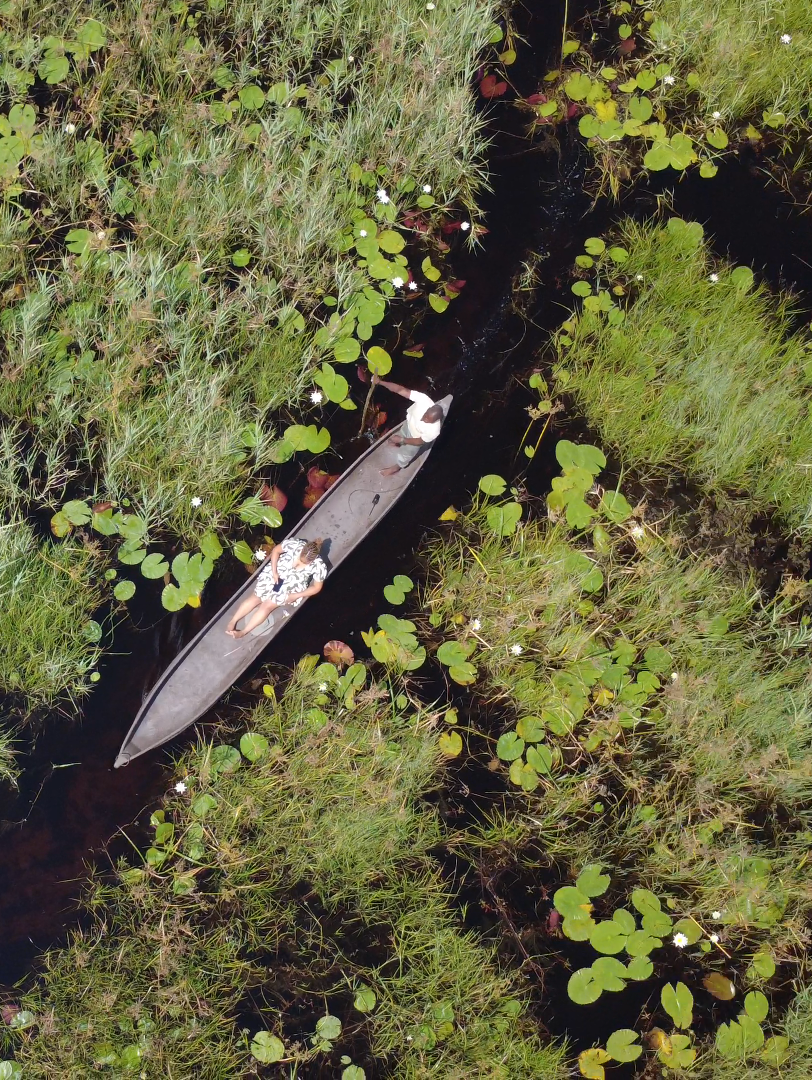
Makoba Island lies close to Maun in the NG35 concession of the Okavango Delta, surrounded by seasonal floodplains and shifting channels. It is a landscape defined by water and light, where the horizon feels fluid and movement is constant.
In high water, the island becomes a quiet refuge rising from mirrored lagoons. In drier months, open plains stretch outward, drawing wildlife across exposed grassland. Elephant move between islands. Lion track the edges of flood and forest. Birdlife gathers in extraordinary density.
Makoba feels secluded and elemental. Accessible only by helicopter, arrival itself reinforces the sense of isolation and preservation.
Here, the Delta is not viewed from its edge.
It is lived from within.
Leon Safaris
Botswana
Refined mobile safaris across Botswana.
Explore
Our Standard
Enquiries
Reservations@leonsafaris.com
Botswana